Bonobo Regular Embroidery Font Review
As an embroidery designer with years of experience, I’ve reviewed countless machine embroidery designs. When I came across the Bonobo Regular Embroidery Font, I was immediately drawn to its clean, modern aesthetic and potential for versatility in both personal and commercial projects.
First Impressions: A Stylish and Functional Font
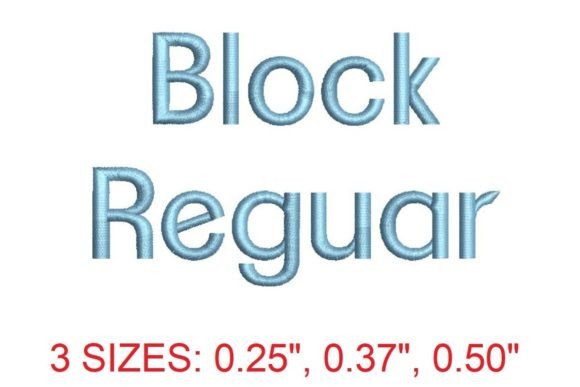
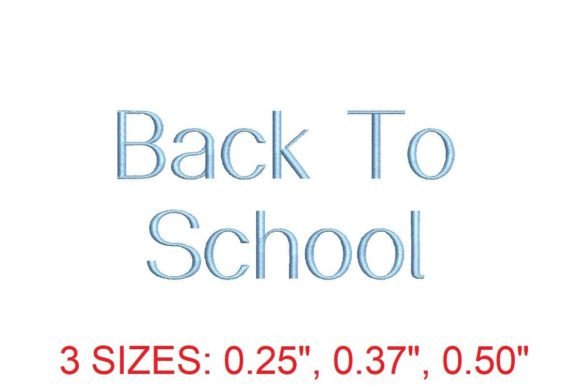
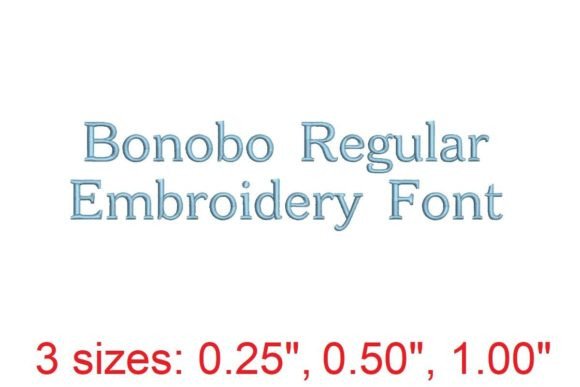
The Bonobo Regular Embroidery Font exudes a minimalist yet elegant vibe. Its letterforms are crisp, with subtle curves that give it a friendly, approachable feel. This font is ideal for personalized monograms, name tags, and stylized lettering that can elevate any handmade product.
What stands out is the level of detail. The font includes fine lines and intricate elements that add visual interest without being overly complex. It’s perfect for projects that require a balance between simplicity and sophistication.
Real-World Performance: From Tote Bags to Baby Items
I tested the Bonobo Regular Embroidery Font on a variety of fabrics and project types, including tote bags, sweatshirts, aprons, and baby blankets. The font performed well across different materials, though some adjustments were necessary depending on the fabric type.
For custom apparel, such as a sweatshirt or t-shirt, the font held up nicely with a moderate stitch density. However, when using it on stretchy fabric, I found that adding a good stabilizer was essential to prevent distortion. On dark fabric, the contrast with light thread colors was excellent, making it ideal for personalized gifts and handmade products.
When working with small hoop sizes, the font’s design allowed for easy placement without sacrificing detail. This makes it a great choice for embroidered patches or applique designs that need to be stitched in sections.
Challenges and Considerations
While the Bonobo Regular Embroidery Font is visually appealing, it does have some limitations. The font’s intricate details may not be suitable for fill stitches or satin stitches on very small areas. In such cases, I recommend simplifying the design or using a different font for dense areas.
For curved cap surfaces, the font’s straight lines can be challenging to adapt. I found that adjusting the letter spacing and slightly modifying the design helped improve the outcome. This shows that while the font is versatile, it may require some customization for specific applications.
Impact on Product Value and Branding
Using the Bonobo Regular Embroidery Font can significantly enhance the visual appeal of a finished product. Its clean lines and professional look make it ideal for brand consistency, especially for small businesses or Etsy sellers looking to create a cohesive aesthetic.
The font also adds value to handmade gifts and seasonal items, making them more attractive to customers. For commercial embroidery, this font can help differentiate your work from generic options, offering a unique touch that sets your digital embroidery file apart.
Practical Tips for Using Bonobo Regular
To get the best results with the Bonobo Regular Embroidery Font, consider the following tips:
- Test on scrap fabric before stitching on your final project to ensure the design looks good on your chosen material.
- Check thread color contrast against the fabric to avoid dull or washed-out results.
- Review stitch density settings to maintain the font’s clarity without overworking the machine.
- Confirm hoop size requirements to avoid cutting off parts of the design.
- Compare light and dark fabric mockups to see how the font performs in different conditions.
- Use proper stabilizer for stretchy or delicate fabrics to prevent puckering or distortion.
- Inspect small details after stitching to catch any issues early.
- Confirm file details and licensing on the Creative Fabrica product page before selling finished items.
Final Thoughts: A Versatile Addition to Your Design Toolkit
The Bonobo Regular Embroidery Font is a solid choice for embroidery designers and small business owners looking for a clean, professional-looking font. Its ability to work across various projects—from tote bag designs to nursery decor—makes it a valuable addition to any design assets collection.
While it may require some minor adjustments for certain applications, the font’s overall performance and aesthetic make it well worth considering for both handmade products and commercial embroidery projects.